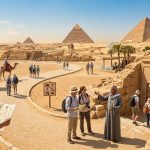
Discover Egypt with our travel guide and explore its breathtaking temples and ancient monuments. From towering pyramids to majestic temples along the Nile, Egypt offers travelers a journey through thousands of years of history and culture.
Egypt is a land where every stone tells a story. Its temples and monuments are not just tourist attractions—they are windows into the life, beliefs, and artistry of one of the world’s most remarkable civilizations. Visitors seeking history, architecture, and cultural insight will find Egypt’s monuments truly unforgettable.
Iconic Temples to Visit
Egypt’s temples are scattered across the country, primarily along the Nile. The Karnak Temple Complex in Luxor is one of the largest religious sites ever built. With towering pylons, colossal statues, and intricately carved walls, Karnak showcases the power and devotion of ancient pharaohs. Its Hypostyle Hall, with 134 massive columns, is a masterpiece that continues to inspire awe among visitors.
The Luxor Temple, also in Luxor, was a center for religious festivals and daily life in ancient times. Built mainly by Amenhotep III and later expanded by Ramses II, it features grand statues, intricately decorated columns, and ceremonial spaces that highlight the significance of religion in Egyptian society.
In southern Egypt, the Philae Temple on Agilkia Island honors the goddess Isis. Its riverside location offers scenic views and a serene atmosphere, accessible by a short boat ride. The temple’s relocation from its original site, threatened by the Aswan High Dam, is a testament to Egypt’s dedication to preserving its heritage.
Monuments That Shape History
The Great Pyramids of Giza are perhaps the most famous monuments in Egypt. Built for Pharaoh Khufu, Khafre, and Menkaure, these pyramids are architectural marvels that have stood for over 4,500 years. The nearby Sphinx, with its enigmatic lion’s body and human head, completes the iconic Giza Plateau, offering a glimpse into the ingenuity and vision of ancient Egyptians.
In Luxor’s Valley of the Kings, royal tombs tell stories of pharaohs’ journeys to the afterlife. The tomb of Tutankhamun remains one of the most celebrated discoveries, revealing golden treasures and intricately painted walls that depict religious rituals and daily life. The nearby Temple of Hatshepsut, carved into the cliffs of Deir el-Bahari, honors Egypt’s most remarkable female pharaoh and showcases a harmonious blend of architecture and nature.
Other notable temples include the Dendera Temple Complex, dedicated to the goddess Hathor, and the Edfu Temple, dedicated to Horus. Both sites are exceptionally well-preserved and offer visitors a deep understanding of ancient religious practices, art, and architecture.
Experiencing the Monuments
Exploring Egypt’s temples and monuments is not only about sightseeing—it’s about immersion. Many temples host guided tours, offering historical context, storytelling, and insight into Egyptian mythology. Visitors can witness temple carvings depicting pharaohs, gods, and daily life, which highlight the artistry and beliefs of ancient Egyptians.
A Nile cruise or felucca ride enhances the experience by providing scenic views of monuments from the river. Watching the sunset behind temples or pyramids creates unforgettable photographic moments. Local markets near historical sites also provide souvenirs, handicrafts, and spices, adding a vibrant cultural layer to the visit.
Practical Travel Tips
Best Time to Visit: October to April, when temperatures are cooler for outdoor exploration.
Clothing: Light, breathable fabrics are recommended; modest attire is appreciated at religious sites.
Hydration: Carry water, especially when visiting sites during the day.
Guided Tours: Hiring a knowledgeable guide enhances understanding and appreciation of Egypt’s temples and monuments.
Photography: Many sites are highly photogenic—sunrise and sunset provide the best lighting.
Final Thoughts
Egypt’s temples and monuments are more than relics of the past—they are living stories of a civilization that shaped the world. From the pyramids of Giza to the temples of Luxor and Aswan, each site provides insight into religion, art, and daily life thousands of years ago. Experiencing these wonders allows travelers to connect with history, culture, and the enduring spirit of Egypt.
Whether walking among towering columns, exploring royal tombs, or enjoying scenic Nile views, Egypt’s ancient temples and monuments offer an unforgettable journey through time, leaving visitors inspired, educated, and amazed by this timeless land.